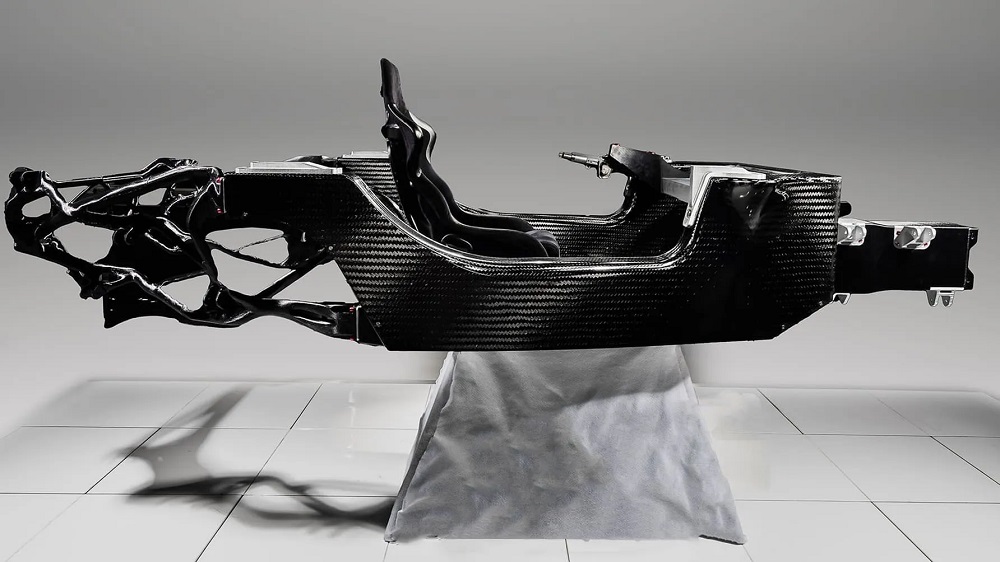
Modern transportation faces a dual challenge: delivering higher performance while reducing environmental impact. Lightweight vehicle design sits at the center of this transformation. By reducing overall mass without compromising safety or durability, manufacturers unlock faster acceleration, improved efficiency, and long-term sustainability benefits.
This design philosophy is no longer limited to high-performance sports cars. It is becoming a core principle across passenger vehicles, electric mobility, and commercial transport.
Understanding Lightweight Vehicle Design
Lightweight vehicle design focuses on minimizing mass while maintaining structural integrity. This is achieved through material innovation, advanced engineering, and optimized manufacturing processes.
Key strategies include:
- Replacing traditional steel with aluminum, high-strength steel, and composites
- Reducing redundant structural components
- Integrating multiple functions into single parts
- Designing platforms specifically for lightweight construction rather than retrofitting
The result is a vehicle that does more with less material.
How Reduced Weight Improves Speed Efficiency
Vehicle speed efficiency is not just about engine power. Weight plays an equally critical role.
Faster Acceleration
A lighter vehicle requires less force to move, allowing:
- Quicker acceleration from a standstill
- Improved overtaking performance
- Enhanced responsiveness in urban and highway driving
This is especially noticeable in electric vehicles, where reduced mass directly improves motor efficiency.
Improved Handling and Stability
Lower weight contributes to:
- Better cornering precision
- Reduced body roll
- Shorter braking distances
Drivers experience greater control, making performance gains both measurable and perceptible.
Fuel Efficiency and Energy Savings
Reducing vehicle mass leads directly to lower energy consumption.
Key efficiency advantages include:
- Less fuel required to maintain cruising speeds
- Reduced engine workload during stop-and-go driving
- Extended battery range in electric vehicles
Even a modest weight reduction can significantly improve fuel economy over the lifespan of a vehicle.
Lightweight Materials Driving Innovation
Material science plays a defining role in lightweight vehicle development.
Common Materials Used
- Aluminum alloys – Lightweight, corrosion-resistant, and recyclable
- Carbon fiber composites – Exceptional strength-to-weight ratio
- High-strength steel – Thinner yet stronger than conventional steel
- Magnesium alloys – Among the lightest structural metals available
These materials allow engineers to reduce mass without sacrificing crash safety or durability.
Sustainability Benefits Beyond Fuel Savings
Lightweight vehicle design supports sustainability far beyond daily driving efficiency.
Lower Emissions Across the Lifecycle
- Reduced fuel consumption lowers tailpipe emissions
- Smaller batteries in EVs require fewer raw materials
- Less energy-intensive manufacturing for optimized designs
Improved Resource Efficiency
Using less material means:
- Reduced mining and processing demands
- Lower transportation emissions during production
- Easier recycling at end-of-life
This holistic impact makes lightweight design a cornerstone of sustainable mobility.
Impact on Electric and Hybrid Vehicles
For electric and hybrid vehicles, weight reduction is even more critical.
Benefits include:
- Longer driving range without increasing battery size
- Faster charging due to lower energy demand
- Reduced environmental impact of battery production
Lightweight platforms allow manufacturers to balance performance, affordability, and sustainability more effectively.
Safety and Structural Integrity Considerations
A common misconception is that lighter vehicles are less safe. In reality, modern lightweight designs often improve safety.
Advanced engineering techniques enable:
- Strategic reinforcement in high-impact zones
- Improved crash energy absorption
- Stronger passenger safety cells with less material
Safety performance depends on design intelligence, not just mass.
Economic Advantages for Manufacturers and Consumers
Lightweight vehicles offer cost benefits across the value chain.
For Manufacturers
- Lower material usage
- Improved production efficiency
- Compliance with tightening emissions regulations
For Consumers
- Reduced fuel or charging costs
- Less wear on brakes and tires
- Higher resale value due to efficiency and performance
These financial incentives accelerate industry-wide adoption.
The Future of Lightweight Vehicle Design
As regulations tighten and consumer expectations evolve, lightweight design will become standard rather than optional.
Future developments will focus on:
- Sustainable composite materials
- AI-driven structural optimization
- Modular platforms adaptable across vehicle types
- Circular manufacturing and recycling processes
Lightweight engineering is shaping the next generation of mobility.
Frequently Asked Questions (FAQ)
1. Does a lighter vehicle always mean better performance?
Not always, but reduced weight generally improves acceleration, handling, and efficiency when paired with proper engineering.
2. Are lightweight materials more expensive to repair?
Some materials like carbon fiber can be costly, but advances in repair techniques are reducing long-term maintenance costs.
3. How much weight reduction makes a noticeable difference?
Even a 10% reduction in vehicle weight can significantly improve fuel efficiency and driving dynamics.
4. Do lightweight vehicles compromise durability?
No. Modern materials are engineered to maintain or exceed the durability of traditional designs.
5. How does lightweight design affect electric vehicle range?
Lower vehicle mass directly increases driving range and reduces battery size requirements.
6. Are lightweight vehicles better for city driving?
Yes. Reduced mass improves stop-and-go efficiency, braking, and maneuverability in urban environments.
7. Will all future vehicles be lightweight?
While materials may vary, weight optimization will remain a core design priority across all vehicle segments.