In the grand mosaic of human progress, vehicles stand as indispensable threads, weaving together technology, culture, and everyday existence. Far more than mere means of transportation, they symbolize freedom, ingenuity, and the continuous pursuit of advancement. This exploration offers an insightful reflection on vehicles—their evolution, diversity, societal significance, and the ever-changing landscape toward a sustainable and interconnected future.
The Evolution of Vehicles: From Simple Wheels to Sophisticated Machines
A Historical Perspective
-
Origins of Movement: The invention of the wheel catalyzed the first vehicular innovation, enabling the transport of goods and people and linking distant communities in the earliest civilizations.
-
Industrial Momentum: The Industrial Revolution accelerated vehicle development, introducing steam engines, internal combustion powerplants, and assembly-line manufacturing that made vehicles accessible beyond the elite.
-
Modern Milestones: The 20th century witnessed the rise of automobiles, commercial aviation, and mass transit systems, setting new standards for speed, safety, and connectivity.
Today’s Technological Marvels
-
Vehicles now encapsulate advanced engineering, integrating electric drivetrains, sophisticated safety architectures, and digital interfaces that redefine the driver’s role.
-
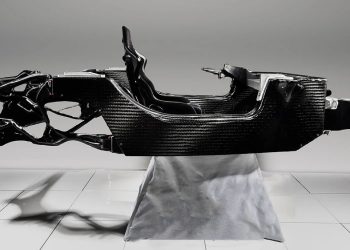
Cutting-edge materials, such as lightweight composites and recycled elements, enhance efficiency while reflecting growing ecological consciousness.
-
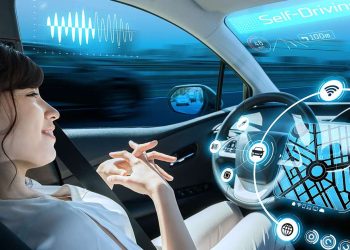
Innovation extends toward automation, with self-driving prototypes beginning to challenge traditional definitions of mobility.
Diversity in Form and Function: Understanding Vehicle Types
Personal Mobility Solutions
-
Automobiles: Sedans, SUVs, coupes, and electric vehicles serve diverse lifestyles and geography—from bustling cities to expansive countryside.
-
Two-Wheelers: Motorcycles and bicycles remain vital, offering nimble and eco-friendly alternatives in congested urban settings.
-
Micromobility: Emerging electric scooters and hoverboards address last-mile connectivity with convenience and reduced environmental impact.
Commercial and Industrial Giants
-
Heavy Trucks and Freight Vehicles: Backbone of global commerce, these vehicles sustain supply chains and economic vigor.
-
Public Transportation: Buses, trams, and commuter trains facilitate urban flow and accessibility, mitigating congestion and pollution.
-
Specialized Vehicles: From fire engines to agricultural machinery, vehicles tailored to specific tasks sustain critical societal functions.
Future Mobility Concepts
-
Electric and Hybrid Platforms: Progressive transition to cleaner energy sources reshapes the vehicle market worldwide.
-
Autonomous and Connected Vehicles: Integration of sensors, AI, and V2X (Vehicle-to-Everything) communication heralds safer and smarter travel.
-
Alternative Transport Modes: Hyperloop, flying taxis, and solar-powered boats hint at a reconfigured future of movement.
Vehicles as Cultural and Economic Catalysts
Shaping Urban and Social Landscapes
-
Cities morph according to transportation infrastructure—roads, parking, public transit hubs—and influence patterns of settlement, commerce, and daily life.
-
Vehicles represent milestones and identities: first drives, family road trips, or the status symbol embodied by particular makes and models.
-
Motorsport and automotive design inspire art, media, and fashion, embedding vehicles deeply into cultural narratives.
Economic Engines
-
The automotive industry supports millions of jobs globally, spanning design, manufacturing, marketing, maintenance, and insurance.
-
Logistical vehicles underpin global trade, sustaining economies and enabling modern consumer habits.
-
Innovation within the sector drives secondary technologies, from battery tech to AI advances, spreading beyond transportation alone.
Navigating Challenges: Environmental and Ethical Dimensions
Toward Sustainable Mobility
-
The shift to electric vehicles (EVs) and hybrids significantly reduces local emissions and dependence on fossil fuels.
-
Sustainable manufacturing practices emphasize recyclability and reduced carbon footprints throughout vehicle lifecycles.
-
Shared mobility and increased public transit use aim to curtail urban pollution, congestion, and land use.
Ethical Considerations and Accessibility
-
Autonomous vehicles pose questions about privacy, data security, and impact on employment sectors.
-
Ensuring equitable access to mobility solutions remains a challenge, especially across geographic and socio-economic divides.
-
Transparent regulation and ethical deployment must accompany innovation to maximize benefits and minimize risks.
Practical Guidance: Choosing and Embracing Vehicles Today
Understanding Your Needs
-
Evaluate travel habits, passenger and cargo requirements, and environmental priorities.
-
Balance initial costs against operational expenses, considering fuel efficiency, maintenance, and resale value.
-
Explore emerging technologies and incentives that align with personal values and long-term goals.
The New Versus Used Debate
| Aspect | New Vehicles | Used Vehicles |
|---|---|---|
| Initial Cost | Higher | More affordable |
| Technology | Latest innovation and features | Proven reliability, variable tech |
| Depreciation | Rapid in early years | Slower, more predictable |
| Warranty & Support | Full manufacturer warranty | Limited, or extended via CPO |
Embracing Sustainable Choices
-
Investigate electric vehicle options, hybrid models, or emerging fuel tech.
-
Utilize public transport, car-sharing, or micromobility solutions when appropriate.
-
Maintain vehicles meticulously to optimize efficiency and lifespan.
Conclusion: Vehicles as Vessels of Vision and Vitality
Vehicles remain profound enablers of modern life—interweaving personal aspirations with technological prowess and societal structure. As the world accelerates into an era of digital transformation and ecological mindfulness, vehicles will continue to adapt, reflecting human values and pushing the boundaries of possibility. In choosing, using, and caring for vehicles today, we participate actively in the story of progress—a narrative marked not only by distance traveled but by the journey toward a thoughtful, connected, and sustainable tomorrow.