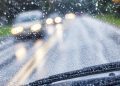
Car driving, when approached with intention and tact, is an elevating practice—a perpetually evolving dialogue between human, machine, and the vibrant world beyond the windshield. Far removed from mere obligation, excellent driving is a philosophy rooted in composure, awareness, and an ever-present concern for the welfare of all road users. Let us embark on a journey through car driving tips tailored for the discerning, the responsible, and those who find fulfillment in a road well traveled.
Reimagining the Drive: Mindset Before Motion
The Thoughtful Beginning
-
Set an Intention: Treat each journey, no matter how familiar, as an opportunity to practice awareness and calm.
-
Prepare Emotionally: Center yourself with a pause before starting the engine; mindfulness prevents haste and frayed nerves.
-
Eliminate Distractions: Designate a home for devices, organize cabin necessities, and set media or navigation systems before departing.
The Prudent Walkaround
-
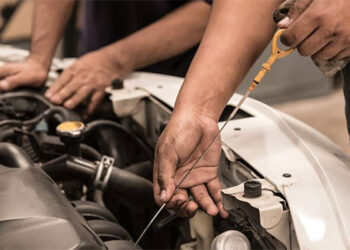
Inspect tires for pressure and wear—profound influence on grip and stopping distance.
-
Examine lights and signals—functionality is crucial for safety and signaling intent to others.
-
Ensure wipers and washer fluid are ready, particularly before inclement weather.
The Essentials of Safe and Polished Driving
Mastering Speed and Control
-
Obey Speed Limits: They exist not as restrictions but as guides to safety, tailored to local risk and road conditions.
-
Adapt to Circumstance: Slow down in rain, fog, or heavy traffic. Skillful drivers know that prudence outranks punctuality.
-
Smooth Inputs: Steady acceleration, measured braking, and delicate steering preserve control and passenger comfort.
The Art of Spacing
-
Maintain the Three-Second Rule: Keep a minimum three-second distance from the vehicle ahead; double it in adverse weather.
-
Mind Your Surroundings: Regular mirror checks and shoulder glances before every maneuver ensure awareness of vehicles, cyclists, and pedestrians.
-
Escape Planning: Always leave enough space to change lanes or stop safely should the unexpected occur.
Navigating Urban and Rural Roads with Sophistication
City Streets: Patience and Precision
-
Yield courteously to pedestrians and cyclists; anticipate their actions at crosswalks and intersections.
-
Avoid sudden lane changes—consistency aids not just safety, but the overall flow of traffic.
-
Use turn signals early and deliberately, especially in heavy congestion.
Highways and Open Roads: Strategy and Serenity
-
Utilize cruise control judiciously to reduce fatigue, but remain attentive to changing traffic and weather patterns.
-
Overtake with purpose: check mirrors and blind spots, accelerate smoothly, and return to your lane with ample room.
-
Schedule regular breaks on long journeys to maintain vigilance and reduce the risk of drowsy driving.
Defensive Driving: Preparing for Possibility
-
Assume others may err—drive with the expectation of sudden stops, overlooked signs, or erratic maneuvers.
-
Never escalate altercations; respond to aggression with restraint and distance rather than competition.
-
Communicate with courtesy—thank others with a wave or a brief flash of the hazard lights when appropriate.
Technological Allies and Their Limits
-
Familiarize yourself with features like lane-keep assist, emergency braking, and adaptive cruise, but avoid complacency.
-
Regularly update navigation maps and onboard safety software.
-
Use hands-free controls when necessary; otherwise, reserve calls and messages for stops.
Weathering Adverse Conditions with Finesse
-
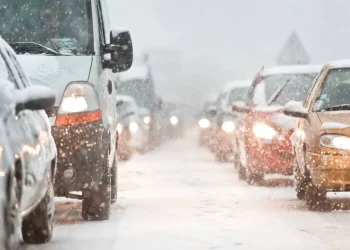
In rain or snow, reduce speed, avoid abrupt movements, and increase following distance substantially.
-
Use headlights in poor visibility—never high beams in fog or snow.
-
If conditions worsen perilously, stop at a safe location rather than pressing on in discomfort.
Emotional Intelligence Behind the Wheel
-
Recognize frustration or impatience; take a break or breathe deeply rather than reacting impulsively.
-
Show tolerance for mistakes in others. The road is shared with learners, the busy, and the distracted.
-
Drive as an ambassador—your actions set the tone for the driving environment around you.
Continual Improvement: The Mark of Excellence
-
Revisit traffic laws and signage as infrastructure and legislation evolve.
-
Consider advanced or defensive driving courses to expand skills and confidence.
-
After each drive, reflect briefly on moments of challenge: how were they handled, and how can future responses be even more composed?
Table: Quick Reference to Superior Car Driving
| Core Principle | Practical Application | Outcome |
|---|---|---|
| Preparation | Mindful checks, focus rituals | Sharper decision-making |
| Distance | Three-second rule, spacing awareness | Reduction in collision risks |
| Communication | Early signals, gestures of courtesy | Smoother traffic flow |
| Technology Use | Active engagement with driver aids | Augmented safety, not reliance |
| Emotional Control | Calm under stress, generosity to others | More pleasant, safer journeys |
Conclusion: The Enduring Elegance of Thoughtful Driving
In the fast flow of modern life, the greatest drivers are marked not by haste, but by mindfulness, serenity, and the steady pursuit of improvement. Driving well is a lifelong craft—one that protects and elevates not only the self, but all who share the journey. Let every trip, long or short, be an exercise in intention, skill, and quiet consideration. In this, each mile becomes not just a passage to a destination, but a reflection of character—leaving the road, and those on it, better for your presence.