Car driving today transcends the old notions of routine and necessity. It is a craft, refined through a blend of technique, mindfulness, and a subtle awareness of the world in motion. To master driving is to shape not just your journey, but the safety and harmony of every road shared. Here, discover a thoughtfully curated guide to superior car driving—designed for those who approach the road with intention, ambition, and a quest for both confidence and civility.
Setting the Foundation: Preparation Is the Key
Mindset and Readiness
-
Center Yourself: A mindful start ensures your senses are attuned to the moment. Take a few deep breaths before ignition; a calm mind begets sharper reflexes.
-
Clear the Cabin: Remove unnecessary clutter. A tidy interior lessens distractions and fosters composure.
-
Plan Ahead: Know your primary route and a backup option. Pre-set navigation, music, and climate controls before shifting into gear.
Pre-Drive Vehicle Inspection
-
Check Tires: Examine for proper inflation and adequate tread—critical to both safety and fuel economy.
-
Test Lights and Signals: Confirm all bulbs operate flawlessly, particularly before driving in adverse weather or at night.
-
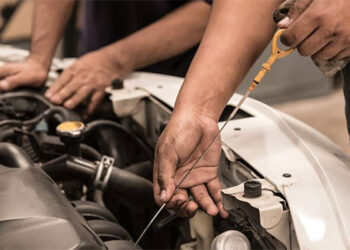
Assess Fluids: Ensure oil, coolant, brake, and wiper fluids are topped up. Address any leaks promptly.
Mastery on the Move: Elevating Everyday Techniques
Speed, Spacing, and Smoothness
-
Respect Limits, Adapt Wisely: Observe posted speed limits but adjust for traffic, road, and weather conditions without hesitation.
-
Maintain Distance: Employ the “three-second rule” as a baseline; increase spacing in rain, fog, or heavy traffic.
-
Gentle Inputs: Smooth acceleration, measured braking, and subtle steering preserve vehicle components and enhance passenger comfort.
Lane Discipline and Positioning
-
Stay centered within your lane to optimize visibility and margin for error.
-
Signal every maneuver early; your intentions benefit not just you, but every driver around you.
-
Avoid frequent lane changes in traffic; instead, choose the lane appropriate for your intended speed and destination.
The Power of Observation
-
Scan, Don’t Stare: Keep eyes moving: track the vehicle ahead, survey mirrors, and anticipate merges or stops.
-
Peripheral Awareness: Factor in pedestrians, cyclists, and the unexpected—drive as though every scenario is possible.
Navigating Complexity: Urban and Highway Wisdom
City Driving with Serenity
-
Yield generously at crosswalks and intersections.
-
Be vigilant for erratic maneuvers: delivery vans, rideshares, and distracted pedestrians are common urban hazards.
-
In congestion, resist the urge to weave; steady progress almost always proves more effective and less stressful.
Excellence on the Open Road
-
Use cruise control to minimize fatigue, but remain alert; do not rely solely on technology.
-
Plan overtaking moves with precision: check mirrors, use turn signals, and ensure ample room before returning to your lane.
-
Schedule rest breaks every two hours—refreshment is the enemy of drowsiness.
Defensive Driving: Predict and Prevent
-
Drive with the assumption that mistakes will be made—by you and others—and always have an escape plan.
-
Never escalate—if provoked, remain calm and make space. Ego-driven responses put safety and serenity at risk.
-
Communicate with courteous gestures: a thank-you wave or a moment’s patience can diffuse tension and encourage mutual respect.
Technology: A Partner, Not a Replacement
-
Understand your vehicle’s advanced driver-assistance features. Use lane-keeping, emergency braking, and blind-spot detection as allies, not crutches.
-
Keep systems up to date, from navigation to safety recalls.
-
Employ hands-free controls where possible, but postpone messages and calls if they distract your attention from the road.
Weathering the Elements: Strategies for Adverse Conditions
-
Rain and Wet Roads: Slow down, switch on headlights, and steer clear of puddle edges to reduce hydroplaning risk.
-
Fog: Use low beams, increase following distance, and open your window slightly to better hear the road.
-
Snow and Ice: Minimize abrupt actions, maintain extra space, and carry winter supplies—blanket, scraper, and a flashlight.
Emotional Intelligence at the Wheel
-
Monitor your reactions to stress. If emotions run high, pull over briefly to regain composure.
-
Be gracious: let in merging traffic, forgive minor errors, and do not linger on momentary frustrations.
-
Take pride in your conduct; the best drivers are those who bring calm to chaos and predictability to uncertain roads.
Continuous Growth: The Hallmark of Mastery
-
Revisit traffic regulations periodically; changes in law and best practices are more common than many realize.
-
Invest in advanced or defensive driving courses—they refresh skills and often lower insurance premiums.
-
After a drive, especially one with challenges, review what went well and what can improve. Growth resides in reflection.
Table: Quick Reference Guide to Superior Car Driving
| Principle | Practical Application | Outcome |
|---|---|---|
| Preparation | Mindful checklists, interior order | Enhanced confidence |
| Distance | Three-second rule, adaptive spacing | Greater safety margin |
| Observation | Scan, mirror checks, peripheral awareness | Reduced surprises |
| Technology Use | Driver aids as support, not substitute | Informed, not distracted |
| Emotional Control | Remain calm, diffuse tension | Safer, more pleasant journey |
Conclusion: The Poise of Progress
Car driving, when approached with artistry and intent, ceases to be mundane and emerges as a personal signature—an expression of skill, civility, and self-awareness. With each journey, the truly accomplished driver leaves not just tire tracks, but an enduring impression of calm, control, and care. Let these tips inspire your next trip, transforming every mile into an act of quiet mastery and thoughtful advancement.