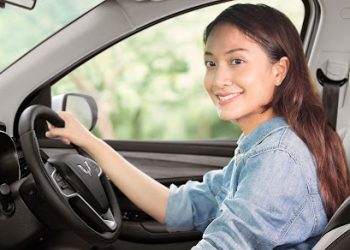
Car driving, when conducted with purpose, is less an act of mere transportation and more a nuanced craft. With every mile, attentive drivers weave together safety, grace, and self-awareness—qualities that transform routine commutes into journeys marked by confidence and composure. For those who value distinction behind the wheel, mastery is found not in flashy maneuvers, but in the quiet excellence of daily habits. Consider this your carefully curated guide to car driving tips designed for the refined motorist.
Preparing the Palette: The Essential Foundation
Cultivating the Driver’s Mindset
-
Begin with Intention: Approach each drive as a deliberate act. Pause to let distractions settle before you turn the key. A calm mind underpins sharp reflexes and measured decisions.
-
Set the Stage: Adjust your seat, mirrors, and steering wheel for flawless posture and visibility. A comfortable position reduces fatigue and sharpens your senses.
-
Eliminate Distraction: Store devices out of reach, queue music or podcasts beforehand, and organize cabin essentials to prevent attention lapses.
The Prudent Walkaround
-
Inspect the Basics: Check tire pressure and tread depth—well-maintained tires spell the difference in grip and safety.
-
Assess Lighting: Confirm that headlights, brake lights, and signals are fully functional, especially before driving at dusk or in inclement weather.
-
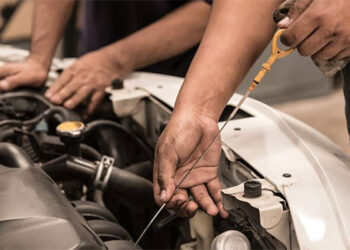
Evaluate Fluids: Monitor oil, coolant, and windshield washer levels, topping up as needed. A healthy engine and clear view are non-negotiable.
Craft and Care in Motion: Core Driving Techniques
Speed, Spacing, and Smoothness
-
Obey Limits and Context: Respect posted speed limits, but more importantly, adapt your speed for weather, visibility, and traffic density.
-
Mindful Following Distance: Employ the three-second rule (or more in poor conditions) to ensure enough buffer for sudden stops.
-
Gentle Inputs: Favor smooth acceleration and gradual braking. This not only protects your car’s components but also fosters passenger comfort.
Lane Discipline and Communication
-
Consistency Matters: Keep a steady, centered lane position; avoid untimely weaving which confuses other drivers and raises risk.
-
Early Signaling: Communicate your intentions well in advance with signals—predictability is a pillar of road safety.
-
Mirror Checks: Regularly scan mirrors. Always shoulder-check your blind spot before any lane change, regardless of technology aids.
The Power of Observation
-
Scan, Don’t Stare: Keep your gaze moving to anticipate hazards—traffic flow, subtle brake lights far ahead, or erratic lateral movement.
-
Peripheral Awareness: Stay alert to the unexpected—pedestrians, cyclists, or animals—whose actions can be unpredictable.
Navigating Urban and Rural Realities
Mastering City Streets
-
Give pedestrians, cyclists, and public transit a wide margin; anticipate unexpected moves at intersections and crosswalks.
-
Exercise patience in traffic. Avoid aggressive lane changes—steady progress is usually faster and always safer.
-
Yield willingly when needed; civility on crowded roads smooths interactions and reduces stress.
Highway Harmony
-
Maintain a safe, consistent speed. Use cruise control to combat fatigue, but remain vigilant—automation never replaces attention.
-
Overtake decisively: signal early, ensure ample room, and always return to your lane gently.
-
Plan regular rest breaks (every two hours on long trips); drowsiness is a hidden hazard, and the mind sharpens with fresh air and movement.
Weather Wisdom: Strategies for Adverse Conditions
-
Rain and Wet Roads: Reduce speed, increase following distance, and use headlights (not high beams) for improved visibility.
-
Fog: Gravitate to low beams or fog lights; avoid sudden maneuvers and focus even more on spacing.
-
Snow and Ice: Gentle inputs are crucial—avoid abrupt direction changes. Equip your car with proper tires and keep emergency supplies at hand.
Defensive Driving: The Virtue of Vigilance
-
Expect Imperfection: Assume that other drivers may err—always have an “out,” whether that’s extra space or an escape path.
-
De-escalate Aggression: If you encounter rudeness or recklessness, do not engage. Yield, create distance, and move on.
-
Communicate with Courtesy: A simple wave, flash of lights, or patient gesture perpetuates a culture of road respect.
Harnessing Technology—With Discernment
-
Learn the limits of your car’s driver aids: adaptive cruise, lane-keep assist, automatic braking. They’re supplements, not replacements, for vigilance.
-
Keep all software and maps updated. Outdated tech can undermine safety and reliability.
-
Use hands-free features judiciously—but reserve texting, calls, and notifications for times when the car is stationary.
The Emotional Quotient: Keeping Calm at the Wheel
-
Recognize the onset of frustration. If stress rises, pause at a safe location.
-
Forgive minor errors in others; the road is shared with novices, the distracted, and the overwhelmed.
-
Reflect on the journey—what worked well and what you’d adjust next time.
Lifelong Learning: The Road to Enduring Mastery
-
Stay current with local laws, signage changes, and evolving technology.
-
Invest in advanced/defensive driving courses periodically; new techniques and renewed confidence are always assets.
-
After challenging drives, note what tested you and how you might better prepare for future occurrences.
Table: Quick Reference Guide to Superior Car Driving
| Principle | Application | Benefit |
|---|---|---|
| Mindful Prep | Walkaround, device stowing | Fewer surprises, better focus |
| Spacing | Three-second rule, cautious overtakes | Safer maneuvers, less stress |
| Prediction | Scanning, defensive anticipation | Accident prevention |
| Courtesy | Signaling, yielding, patience | Smoother journeys |
| Tech Discipline | Driver aids, hands-free only when safe | Maximized safety, engagement |
Conclusion: The Enduring Mark of Mastery
The road is a living canvas—each journey shaped by the shadows of risk and the bold strokes of intention. Refined driving neither seeks attention nor courts bravado. Instead, it’s an ongoing dialogue—between preparation, humility, and the pursuit of subtle excellence. Cultivate these tips not as a checklist, but as a living rhythm that transforms your commute, inspires confidence, and makes you a steadying influence on every road you travel. Each mile, after all, is a quiet opportunity to lead by example—where driving well becomes a daily art.